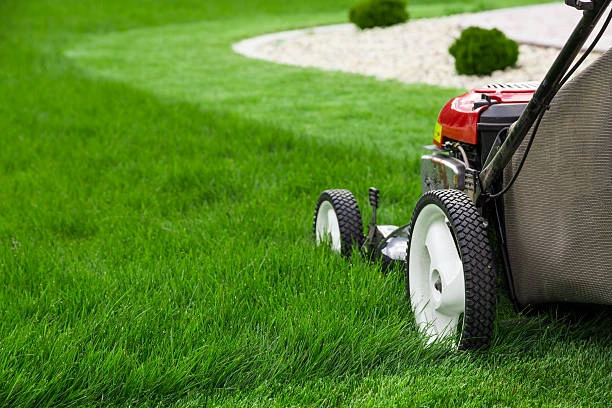
How Lawn Mowing Patterns Affect Grass Health: The Most Overlooked Technique
Many individuals view lawn mowing as a fast weekend job, but the pattern and direction you select can affect the long-term health of your lawn. Upon closer examination of professional lawn mowing in Auckland, a significant distinction is the intentional manner in which each pass is executed. Grass, similar to any other living plant, responds to the manner in which it is trimmed.
Consistently mowing in the same direction leads to blade tilt, hinders root development, and may result in compacted soil below. Modifying patterns, on the other hand, aids the lawn in growing straight, improving airflow, and healing more quickly after every trim. It is an easy method, but numerous homeowners neglect it until they see dull spots or inconsistent texture throughout their yard.
How Alternating Patterns Strengthen the Lawn
Altering the mowing direction weekly encourages the grass to grow straight up rather than tilting in one direction. Vertical blades capture sunlight uniformly, resulting in higher energy production and improved health. This tiny habit gains greater importance for homeowners who depend on professional lawn mowing in Auckland, where changing weather patterns can quickly increase the strain on lawn development.
Switching patterns minimises soil compaction, facilitating the movement of air, water, and nutrients further into the root zone. The outcome? A denser and sturdier lawn capable of withstanding foot traffic, seasonal variations, and infrequent care without fading in colour or vitality.
The Role of Striping and Clean Passes
The importance of maintaining a clean mowing pattern is not just for achieving an aesthetically pleasing look. It also plays a major role in shaping the overall health of the lawn. Striping creates light and dark lines by bending grass blades in opposite directions. While it appears decorative, it also spreads weight evenly across the turf. Each careful pass prevents unnecessary scalping and ensures the mower doesn’t repeatedly press into the same areas. When executed regularly, whether by homeowners or professional property care providers, lawn mowing in Auckland, striping establishes a beneficial pattern for the lawn, directing growth and minimising long-term harm.
How to Choose the Right Mowing Pattern
The best lawn mowing patterns depend on your grass type, lawn shape, and growing conditions. For routine lawn maintenance, alternate between horizontal, vertical, and diagonal passes to distribute mower traffic across the turf. During lawn cutting, avoid removing more than one-third of the grass blade at a time, as excessive cutting can weaken grass growth and increase stress. Keep mower blades sharp so each cut is clean rather than tearing the grass. It is also helpful to vary your mowing direction around trees, garden beds, and narrow areas where repeated passes can create worn tracks. Combined with regular watering, appropriate fertilising, and removing grass clippings when necessary, these simple lawn care practices can support stronger roots, better colour, and a healthy lawn throughout the growing season. Consistent mowing habits and suitable mowing patterns can make a noticeable difference to long-term grass health.
Common Mistakes to Avoid
Numerous lawns struggle merely because the mower is operated in the same manner each time. Weekly trimming in the same straight lines results in ruts, thinning, and uneven growth. Another overlooked mistake is turning the mower sharply at the same edges, which slowly tears grass and stresses the soil. Even mowing when the grass is too wet can collapse the pattern and lead to fungal issues.
Some Final Thoughts
Consider mowing patterns as a fitness regimen for your lawn. Repeat the same move, and the results stall. Mix things up, and everything becomes stronger. Your lawn doesn’t need fancy tricks, just smarter moves. Change the pattern, and watch the grass do the rest.
