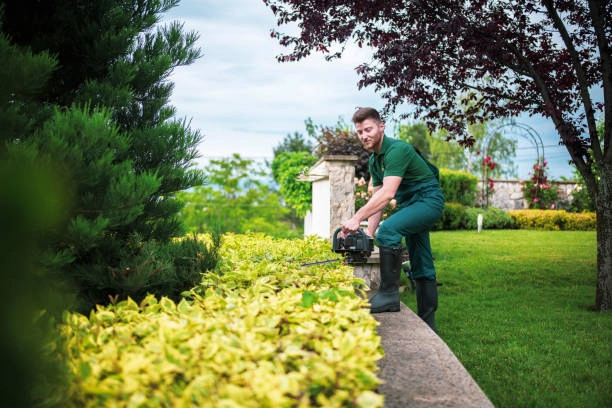
Organic, neat and tidy hedges can provide privacy, structure and curb appeal for gardens in Auckland. However, proper timing is key to healthy growth. Timely pruning promotes thick growth, prevents overgrowth, and reduces the risk of stress. Knowing how the hedges grow in different seasons can help homeowners better manage them.
Why Timing Matters for Hedge Trimming
The type of hedge species varies when it comes to pruning, but most need regular pruning when growing. Cutting too early, too often, or at an inopportune time or in poor weather can stunt growth or weaken the hedge. Seasonal hedge care helps maintain shape and gives plants adequate recovery time.
Furthermore, the optimal trimming timing is dependent on the age of the hedge, species and desired hedge height and location. Some hedges will need more care when they are growing in a sunny spot than others in a shaded location. Pruning can be done properly by consulting with a professional.
1. Spring Hedge Care in Auckland
Spring is an important time to perform hedge maintenance as the warmer weather stimulates new growth. After winter time, light pruning will help to form hedges and encourage a fuller, more uniform look.
Do not go for heavy pruning unless the particular species benefits from it and the plants are growing rapidly. Check the hedge first for branches which are broken, weak or dead. The snipping of these sections enhances both appearance and energy towards healthy growth.
Spring is also a good time to assess soil moisture, mulches and plants for health. When pruning is done in conjunction with the general garden maintenance, it can result in a better growing environment during the summer months.
2. Summer Trimming and Maintenance
In Auckland, summers can be when the hedges are actively growing and shaping can be done routinely. New shoots can be controlled and hedges prevented from becoming overgrown through light to moderate hedge cutting.
Avoid severe cutting during very hot or dry periods. Plants can experience additional stress when moisture is limited, particularly after extensive pruning. Watering appropriately and using clean, sharp tools can support recovery.
Do not cut back severely in extremely hot and dry weather. Under wet conditions, plants may suffer from further stress following heavy pruning. Appropriate watering and clean, sharp tools can aid in recovery.
It is particularly helpful for formal hedges where a neat outline is important to achieve on a regular basis in the summer. Mowing while the grass is still small can also save time and hassle when it comes to future mowing.
3. Autumn: A Practical Time for Shaping
Depending on the plant species, autumn can be a good time for more extensive hedge work as it is cooler. Trimming can be used to re-establish a neat shape before winter sets in, as growth slows in the summer.
Do not apply a blanket solution for all hedges. There are some flowering shrubs which require pruning not in a fixed seasonal time frame, but after blooming. Therefore, when planning hedge management, it is crucial to have an understanding of what type of hedge it is.
Routine clean-up of fallen foliage and debris at the base of hedges is also a good task to do in the fall. Maintaining garden health can help to increase air movement and minimise conditions that could lead to a pest or fungal issue.
4. Winter Hedge Trimming Considerations
Generally, plant growth is slower in the winter, and frequent cutting will not be needed. But selective pruning may still be warranted to remove dead, damaged and hazardous branches.
Avoid unnecessary heavy pruning in cold and wet weather, especially on plants affected by stress. Instead, concentrate on simple maintenance and expecting better growth in the spring.
Professional hedge trimming services can be used for larger or established hedges to maintain safe access, and to ensure that hedges are not trimmed to an excessive amount or to an unbalanced proportion.
How Often Should Auckland Hedges Be Trimmed?
The frequency of trimming is not common to all cases. Faster-growing species may require more than one pruning during the growing season, whilst slower-growing species may require less frequent pruning. The appearance is also a factor. Formal hedges will require more frequent shaping than informal hedges.
When branches are unevenly grown, growing over paths, too tall or not full enough, it may be time for a trimming schedule review. When properly maintained, it’s easier to repair a hedge that’s gotten out of control.
Why Choose Professional Hedge Care?
Consistent results can be achieved, and you can make your hedges easier to manage with professional hedge care, even if they’re tall, thick or extensive. Skilled gardeners can recognise the appropriate cuts and garden features, and dispose of green waste safely and effectively.
For homeowners looking for expert hedge care services in Epsom can find a dependable, nearby company that makes it easier for them to keep their hedges in good condition throughout the year. Professional hedge trimming services also helps keep the hedges clean and maintain healthy plant structures. If a wider range of services is required, then properties can benefit from professional hedge care services.
Choose All Season Property Care
All Season Property Care offers garden maintenance solutions that are easy-to-use and will help maintain a clean, healthy and manageable yard. It helps homeowners mow, prune, hedge, trim and clean their yards, along with providing regular maintenance of their properties.
An annual plan to periodically shape or maintain your hedge can help prevent it from becoming less attractive and help it grow. Auckland homeowners can have beautiful, well-formed hedges all year round with proper pruning at the right time, and with the right technique. Hedge issues can be avoided if they are regularly monitored.
